On a Saturday morning before Indiana's primary, a county party crowd gathered around the early vote board. Turnout among voters under 35 was stuck in the single digits. The reaction in the room was the one you hear in campaign offices all over the country this cycle: why aren't they showing up?
From a campaign strategy standpoint, that is the wrong question, and asking it turns away a generation that is still willing to listen. Gen Z is not sitting out because they are lazy or distracted. They are sitting out because they have stopped trusting the people asking for their vote. That is fixable, but only if you stop talking long enough to listen first.
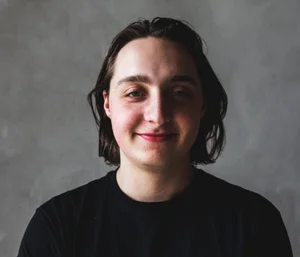
We dug into this on a recent episode of our podcast, The Democratic Dilemma, with Eli Goldstein, a Gen Z writer who grew his Substack to thousands of subscribers by refusing to turn every political argument into a fight. His read lines up with the data, and it points to a clear set of moves for any campaign trying to reach young voters before 2026.
The Mistake Is Reading Silence as Apathy
Start with what the numbers actually say. In 2024, voters under 30 still favored the Democratic nominee, but the margin collapsed. Harris carried them 52 to 46, down from Biden's 61 percent in 2020, according to AP VoteCast. Among young men, about 56 percent backed Trump, a near-mirror flip from four years earlier. Forty percent of young voters named the economy their top issue, and that group broke for Trump by more than 20 points.
Here is the part most campaigns miss. The Republican gains have not locked in as a Democratic loss with nowhere else to go. As Goldstein put it, "Republicans have again lost the trust of young people. But it's not an automatic gain for Democrats." The 2026 Harvard Youth Poll backs that up. Congressional Democrats sit at a 26 percent approval rating with young Americans, and more than 80 percent say both parties do such a poor job that the country needs more options. Only about one in eight young people say they feel motivated to participate at all.
So the opening is real, and it is narrow. "This is the year that we either win Gen Z back for good or we lose them forever," Goldstein said. A campaign that treats low youth turnout as a character flaw in young people will walk right past that opening.
How the Trust Broke
The distrust did not start with one election. It built over a decade of being asked to show up and then watching very little change.
Young voters turned out at a modern high for a midterm in 2018, then again at roughly half of all eligible youth in the 2020 presidential race. They were told their votes would deliver. What many of them saw next was a long stretch of speeches, procedural stalemates, and promises that stalled out. By the 2022 midterms, youth turnout had fallen back to around 23 percent.
The detail matters because young voters watched it happen in real time. In 2018 they helped flip the House. In 2020 they helped deliver a trifecta. What followed, in their telling, was a stretch where big promises ran aground on narrow majorities and procedure. Whether or not that is the whole story, it became the story they believed, and perception is what drives turnout. A generation that gets mobilized and then feels unheard does not come back angrier the next time. It comes back smaller, or not at all.
That is why "trust" is not a soft word here. It is the entire strategic problem. Young voters are not asking a candidate to match their politics on every issue. They are asking whether you will tell them the truth and then do what you said. As Mary Noone framed it on the episode, people "want to trust your moral compass, and they want to trust that what you said you're going to deliver."
Affordability Is the Whole Ballgame, If You Define It Right
Every recent poll points to the same top issue. Cost of living leads everything for young voters, cited by more than 80 percent as most important to their vote, with food and health care costs close behind. Nine in ten say they have changed how they spend just to get by.
Most campaigns now know to say the word "affordability." Far fewer know what it means to the people they are trying to reach. Goldstein's warning is blunt. Campaigns "are still talking about it in the most boring ways possible," in the language of GDP and aggregate growth. "Gen Z doesn't care about GDP," he said. They care about whether they can make rent, cover groceries, and someday afford a home.
The fix is to treat affordability as a frame for concrete outcomes, not as a slogan. Look at how Zohran Mamdani won 78 percent of New York City voters under 30 in 2025, while youth turnout in that race jumped to around 28 percent, up from roughly 8 percent a decade earlier. He did not run on affordability in the abstract. He ran on a rent freeze, free buses, and universal childcare, three things a 25-year-old can picture in their own life. "Affordability was his theme," Noone said, "but he was using affordability to solve the core issues of the people that voted for him." When the word becomes the message instead of the doorway to specifics, you keep the buzzword and lose the voter.
A discipline goes with this. Connect every issue back to the cost of someone's life. When an opponent picks a cultural fight, name it as a distraction from your economic message and pivot back. And resist what Goldstein calls "negotiating in advance on the campaign trail," watering down the ask before anyone has even pushed back. Say what you actually want, then compromise when you have to govern, not before.
Stop Doing Events At People
The most useful stretch of the conversation was about execution, and it is where the old playbook fails hardest.
Campaigns love to count activity. They hold the event, post the photo, and check the box. Goldstein described the failure mode exactly: "We're not gonna ask the people that we're doing the events for if these events are effective. We're just gonna do them. If they don't show up, that's their fault." Branding an event "Gen Z for [Candidate]" is not a youth strategy. It is a slide in a youth strategy deck.
Noone's line for this is one we use with candidates constantly. It is not about you. A campaign that keeps asking "why won't they come to our thing" has the arrow pointed backward. The work starts by going where young people already are, listening to what they actually need, and building from there. That is also why running a young candidate as a gimmick falls flat. As Goldstein noted, the people connecting with Gen Z right now, like James Talarico in Texas, are mostly not Gen Z themselves. "We get very caught up in the labels of who our candidates identify as," he said, "rather than what they stand for and how they talk to people."
Underneath the tactical miss is a tone problem that costs Democrats and independents too. Josh Stanley named it. Too often the posture toward young voters is "we're better than you, rather than actually listening and meeting people with what they actually need." Gen Z reads that instantly, and it confirms every reason they already had to tune out.
Run on Trust: Say It, Then Deliver It
If trust is the problem, transparency is the strategy. The candidates breaking through are the ones who show their work.
Look at how Graham Platner ran in Maine. He held town halls and, by Goldstein's account, "doesn't stop until every question is answered to the audience's satisfaction." He put unpopular positions on the table on purpose instead of hiding them. That candor reads as trustworthy even to voters who disagree, because it signals there will be no bait and switch later. Contrast that with the long list of incumbents losing primaries this cycle, where the common thread is voters deciding they can no longer trust what they were told.
Delivery is the other half. Trump's 2024 appeal to some young men ran on a promise of financial stability, and his economic approval has since slid as that promise went unmet. Tellingly, one of his concrete follow-throughs aimed at young men was pressuring the FDA into approving fruit-flavored vapes in May 2026, a small kept promise that got noticed. The lesson for your campaign is not about vapes. It is that visible follow-through, even on something modest, builds the trust that turns goodwill into a real reason to show up.
You can show that you will deliver before you ever hold office. Respond to people directly. Own your mistakes out loud. Pick a small number of concrete commitments and repeat them. When you cannot give a voter exactly what they asked for, say so plainly and tell them what you will do instead. That respect is the product.
Frequently Asked Questions
-
Because leaning a direction and trusting a party are different things. Young voters still favor Democrats on the generic ballot, but congressional Democrats hold just a 26 percent approval rating with them, and only about one in eight feel motivated to vote. The gap between mild preference and real enthusiasm is where turnout disappears.
-
Not as a wholesale switch. In 2024 the Democratic margin among under-30 voters fell to 52-46, and young men broke for Trump, but recent 2025 and 2026 polling shows Republicans have since lost much of that trust on the economy. The opening for Democrats is real, but the trust has to be re-earned, not assumed.
-
Cost of living, by a wide margin. More than 80 percent name affordability as their top voting issue, with food and health care costs close behind, and around 90 percent say they have cut spending to get by. Housing, groceries, and a realistic path to adulthood beat abstract economic talk every time.
-
He turned affordability into specifics people could picture: a rent freeze, free buses, and universal childcare. That message, plus heavy and authentic online outreach, helped him win about 78 percent of NYC voters under 30 and push youth turnout to roughly 28 percent. The takeaway is the method, concrete promises plus real outreach, not the exact policies.
-
Age alone does not move young voters. Several of the candidates connecting best with Gen Z right now are not Gen Z themselves. What matters is whether a candidate listens, talks like a person, and follows through, not what generation they belong to.
-
Listen before you organize, then deliver something visible. Go to where young voters already are and ask what they need before pitching anything, then pick one concrete commitment and prove you will keep it. Trust is built by follow-through, and it is the difference between quiet goodwill and someone who actually shows up to vote. If you want help building that into your plan, we are always glad to think it through with you.
The 2026 Window
The opportunity is sitting right in front of progressive campaigns, and it will not stay open. Republicans have lost young voters' trust in the economy. Democrats have not yet earned it back. The campaigns breaking through, from Mamdani in New York to Abigail Spanberger in Virginia, are winning by treating young voters like adults with real problems, then showing up with specifics.
Do the work in 2026, listen first, message affordability as real outcomes, and prove you will deliver, and you have a chance to earn this generation's trust for years to come. Miss it, and 2028 gets far harder.
Here is the move for this week. Pick one group of young voters in your district, go to a space they already gather in, and ask them what they need before you tell them anything. Then build one concrete commitment around what you hear, and say it the same way every time.
Reaching young voters well takes patience and real listening, and it is the kind of work we care deeply about at Mary Noone Campaign Strategy. If you are working through it in your own race, we would be glad to help you think it through.